


5 Things to Discover in the Andy Warhol Exhibition
Get a sneak peek with the exhibition trailer!
Eccentric, experimental, and first and foremost a draftsman: discover a new side of Andy Warhol at the Museum starting September 16.
1. Warhol’s Talent for Drawing
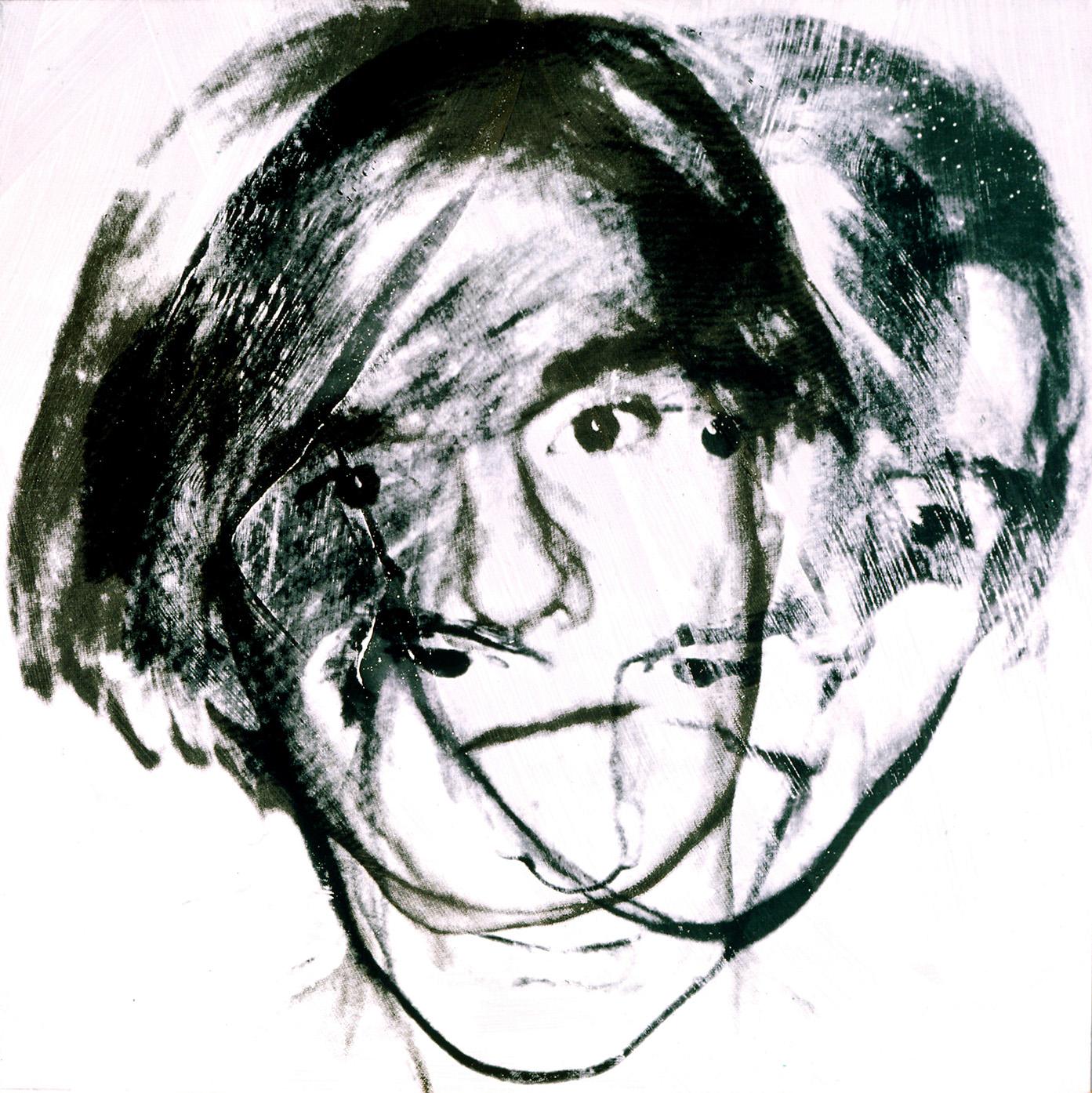
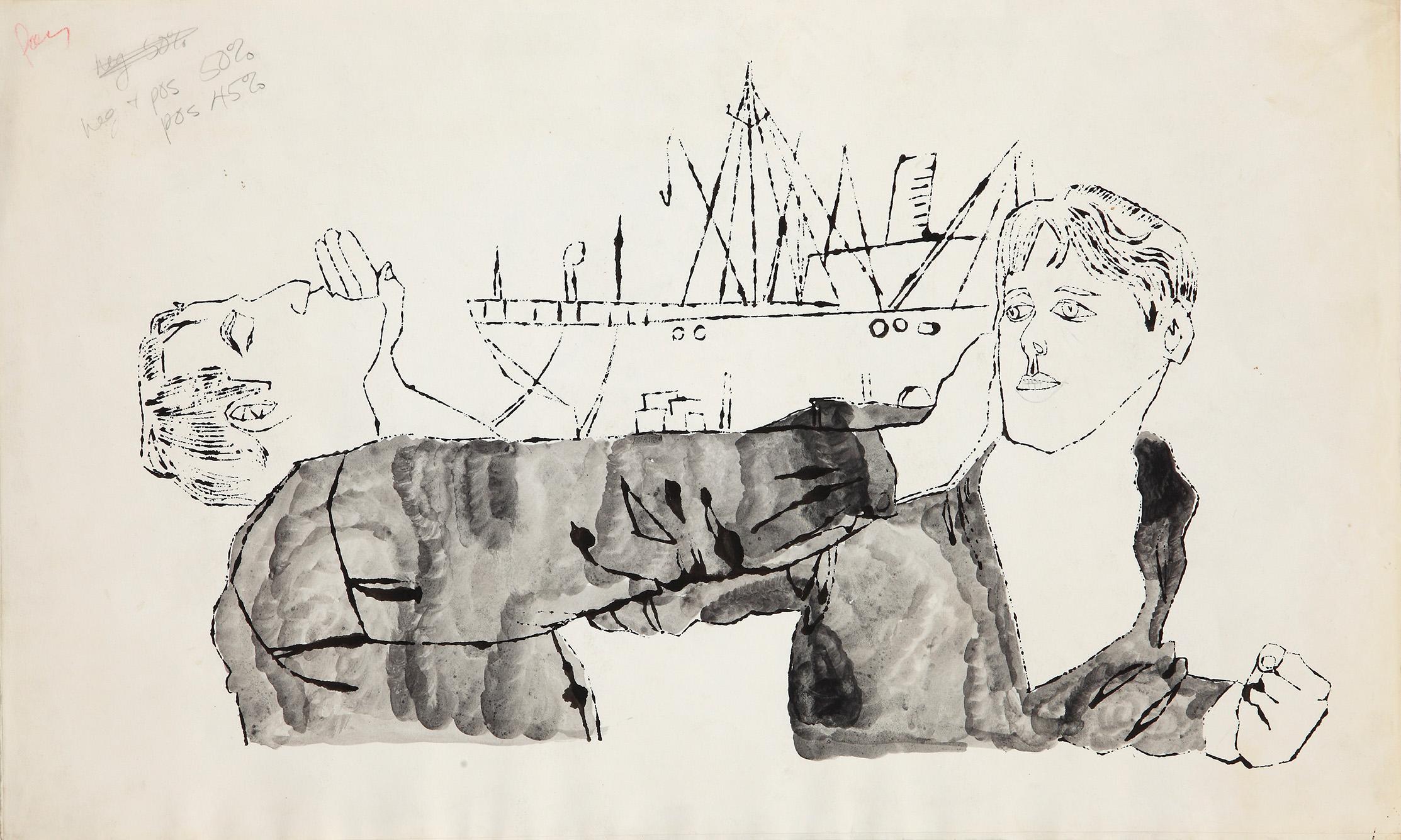
Before his silkscreen prints and the images that became famous, there was drawing. A medium that accompanied the artist throughout his life, giving rise to unique creations. Portraits, caricatures, genre scenes, decorative illustrations, and self-promotional portfolios: his drawings reflect a practice as free-spirited as it is prolific. The exhibition invites you to discover this essential aspect of his work and to see an artist we think we know so well in a new light.
2. A Rich and Varied Body of Work
Bringing together nearly 150 drawings, as well as a dozen paintings, silkscreen prints on paper, photographs, and archival documents, the exhibition takes you inside the Warholian workshop. Organized into five thematic sections, the works trace different moments in his career, from advertising sketches to intimate self-portraits. As you move through the galleries, you’ll discover an artist who constantly explored new forms and made drawing his medium of choice.
3. The Art of Repetition and Technical Innovation
For Andy Warhol, drawing is not merely a preparatory step. It also serves as a true testing ground. Stamps, stencils, collages, broken lines, or lines created by transfer: the artist devised techniques that allowed him to repeat and reproduce images. The exhibition thus reveals the connections between his manual work and his mechanized works, complemented by paintings and archival materials.
4. A Mirror of 1960s-70s America
Through his works, Warhol captured the spirit of an era marked by mass consumption, the media, and popular culture. In the early 1960s, he identified the clichés of American society that would become his primary source of inspiration - with the success we all know. This is an opportunity to understand how art can reflect a society in flux.
5. Icons of Pop Art
Marilyn Monroe, Campbell’s soup cans, Coca-Cola bottles… You’re undoubtedly familiar with these images that have become emblematic of Pop Art. By reproducing, repeating, and transforming them, Warhol brought familiar objects and figures into the history of art. The exhibition offers a deeper understanding of this approach and shows how his work with images - which began notably with drawing - is extended in these now-legendary works.
Did the trailer make you want to see more? Come visit the museum starting September 16, 2026!

Check it out
5 Things to Discover in the Andy Warhol Exhibition
Get a sneak peek with the exhibition trailer!
The exhibition is open! When Drawing Reveals Andy Warhol

Profile: Andy Warhol, A Life in Pictures
How did Andrew Warhola become Andy Warhol?