


Profile: Andy Warhol, A Life in Pictures
How did Andrew Warhola become Andy Warhol?
From Pittsburgh to New York, from advertising illustration to The Factory, a look back at the major milestones in the life of an artist who never stopped experimenting with images, their modes of reproduction, and his own identity.
1928-1949: The Artist’s Early Years
Andy Warhol was born in 1928 in Pittsburgh to a family of Slovak descent. As a child, a prolonged illness kept him away from school and everyday life. During his recovery, he spent a great deal of time drawing and taking photographs. This experience played a decisive role in his artistic journey.
In 1945, he enrolled at the Carnegie Institute of Technology in the painting and design program. After graduating in June 1949, he moved to New York and began a career in advertising. He quickly found success and developed a particularly inventive approach to drawing. It was during these years that Andrew Warhola became Andy Warhol.
The 1950s: Illustration as a Field of Experimentation
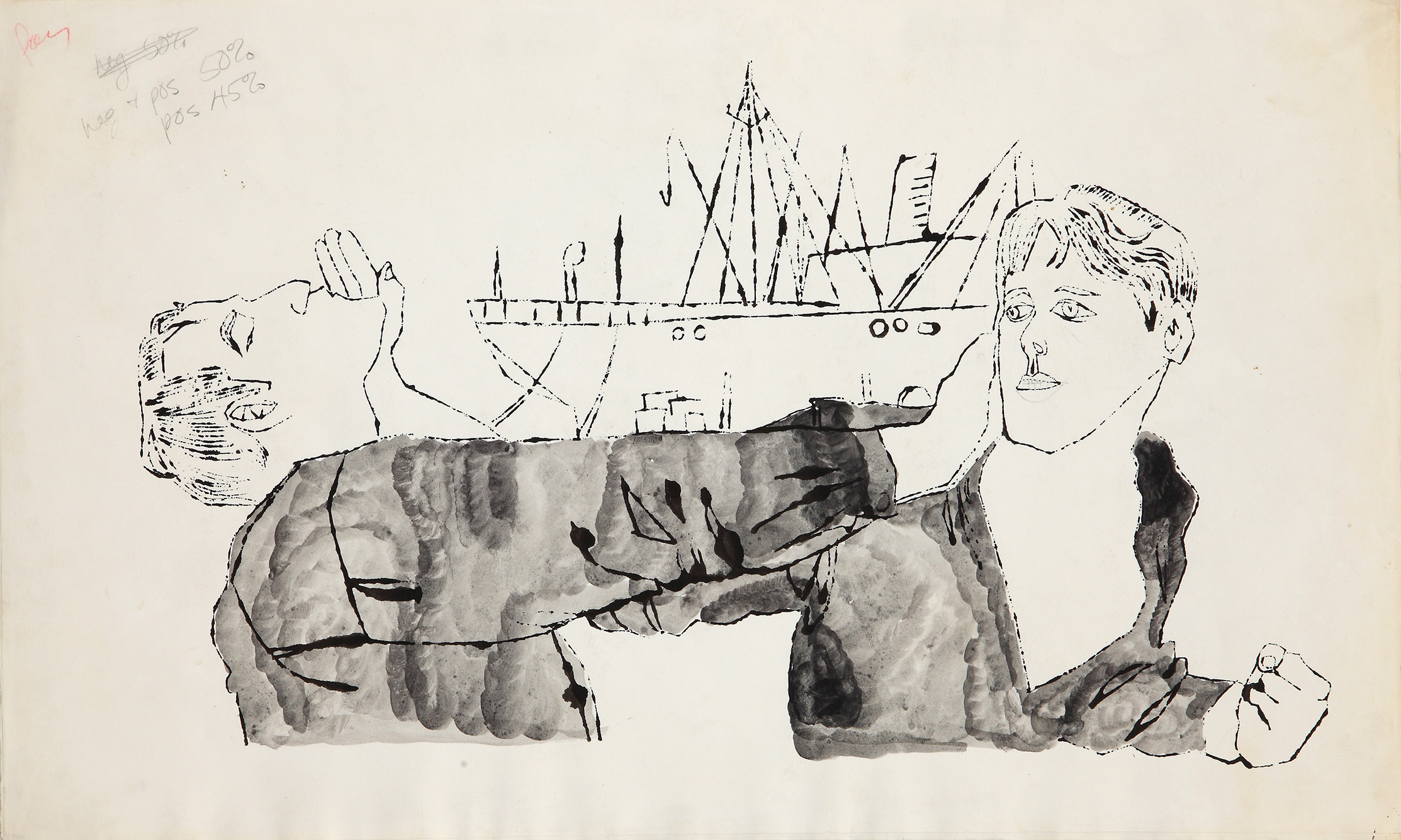
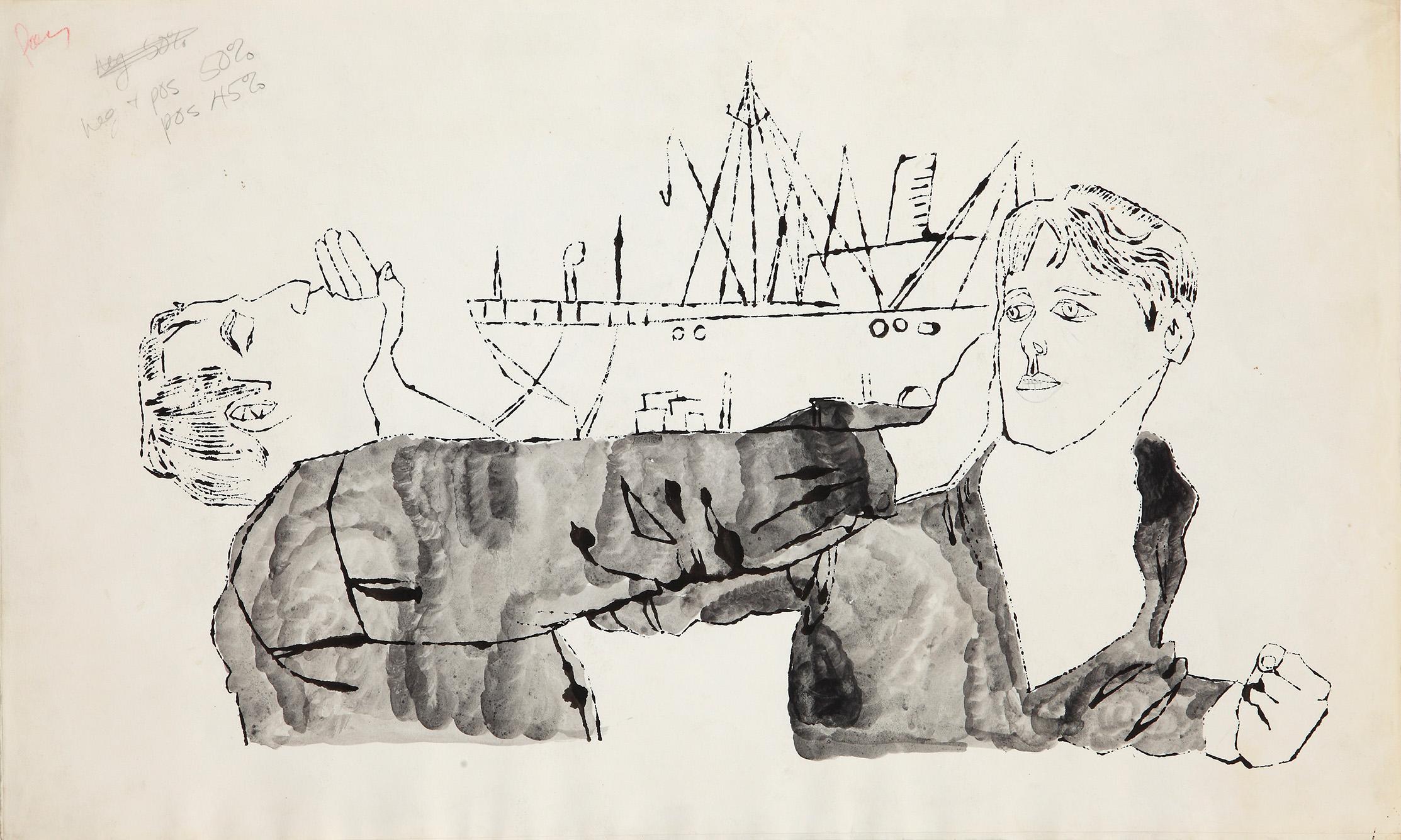
Drawing played a central role in Warhol’s early career. Portraits, caricatures, genre scenes, advertising illustrations, and self-promotional portfolios: he explored various subjects and techniques.
In particular, he developed techniques based on stamps, transferred lines, stencils, and collages, with a special focus on the reproduction and repetition of images. Drawing gradually allowed him to break free from various influences and develop his own visual language.
The 1960s: From Painting to the Factory
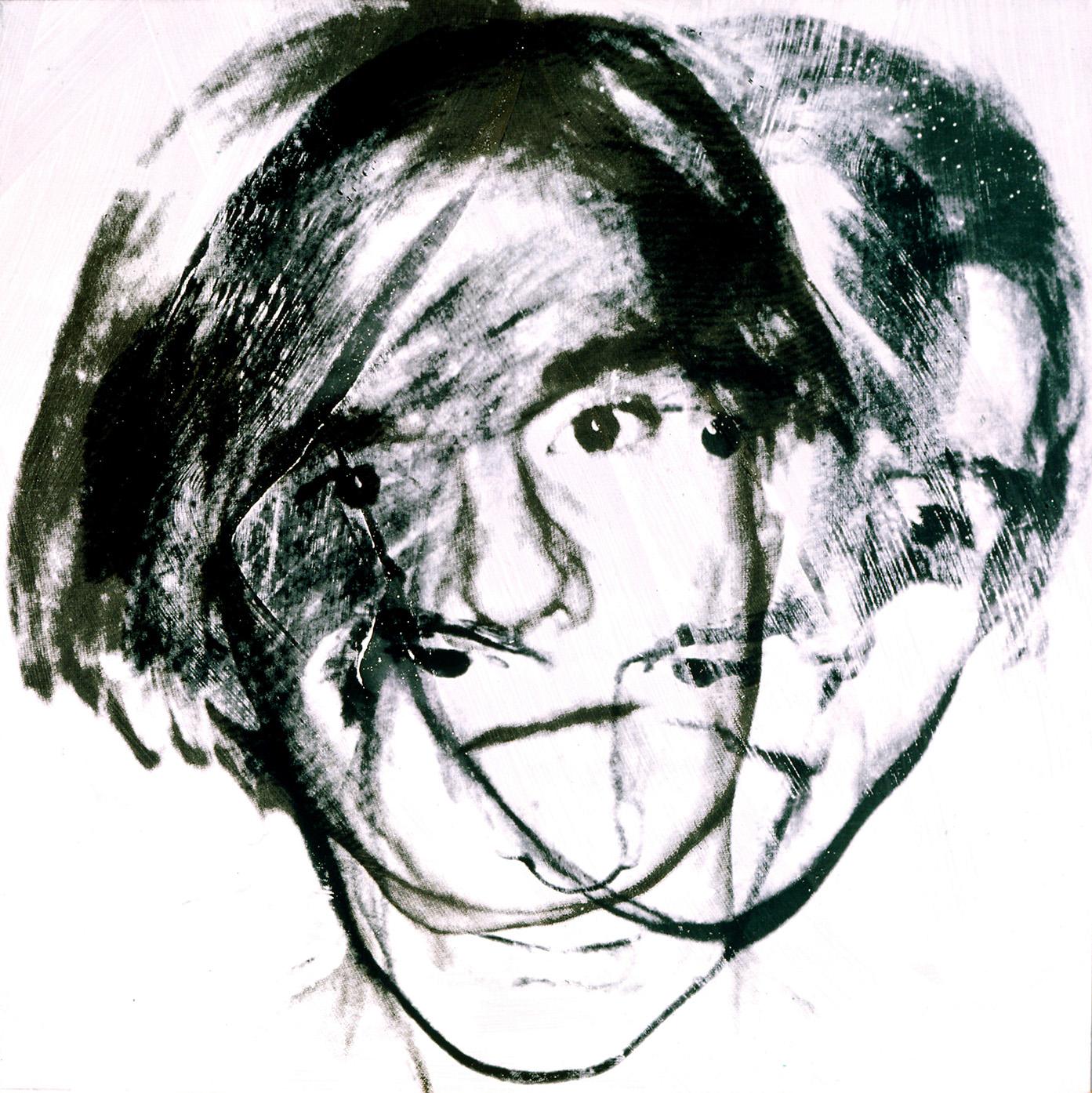
In the early 1960s, Warhol turned to painting. In August 1962, he discovered the possibilities of photo-silkscreen printing and began to build his public persona, while refining his appearance and image through numerous self-portraits.
In 1963, he rented a former firehouse in New York. The following year, he moved into a loft that became the Factory, a studio and gathering place for the underground scene, celebrities, and collectors. Warhol also became a filmmaker, produced films, and became a music producer with the Velvet Underground. His activities thus expanded into numerous fields: painting, drawing, photography, film, music, and publishing.
In 1968, Warhol was the victim of an assassination attempt by Valerie Solanas. He was seriously wounded and narrowly escaped with his life, sustaining dramatic scars. This experience intensified his obsession with death, which became a major theme in his work.
The 1970s-1980s: Portraits, Celebrity, and Metamorphoses
Starting in the 1970s, Warhol created numerous commissioned portraits. The series dedicated to Mao is a prime example, followed by new series and portraits of celebrities, including those of Mick Jagger.
At the same time, he continued to explore his own image. Self-portraits, masks, doubles, and appearances became recurring themes. In the Self-portraits in Drag from 1981, he explored the allure of cross-dressing through Polaroids and photographs. Warhol thus seems to turn his own identity into artistic material.
Drawing remained a constant in this final phase of his career. In 1986, he produced a series of paintings and drawings based on The Last Supper by Leonardo da Vinci, as well as Self-portraits, Camouflages, and portraits of Lenin.
Warhol died on February 22, 1987, in New York, from complications following surgery to remove his gallbladder.
From advertising illustrator to artist and public figure who constantly blurred the boundaries between artwork, image, and identity, his career reflects a consistent pursuit: experimenting with images, their modes of reproduction, and the many ways of viewing them.
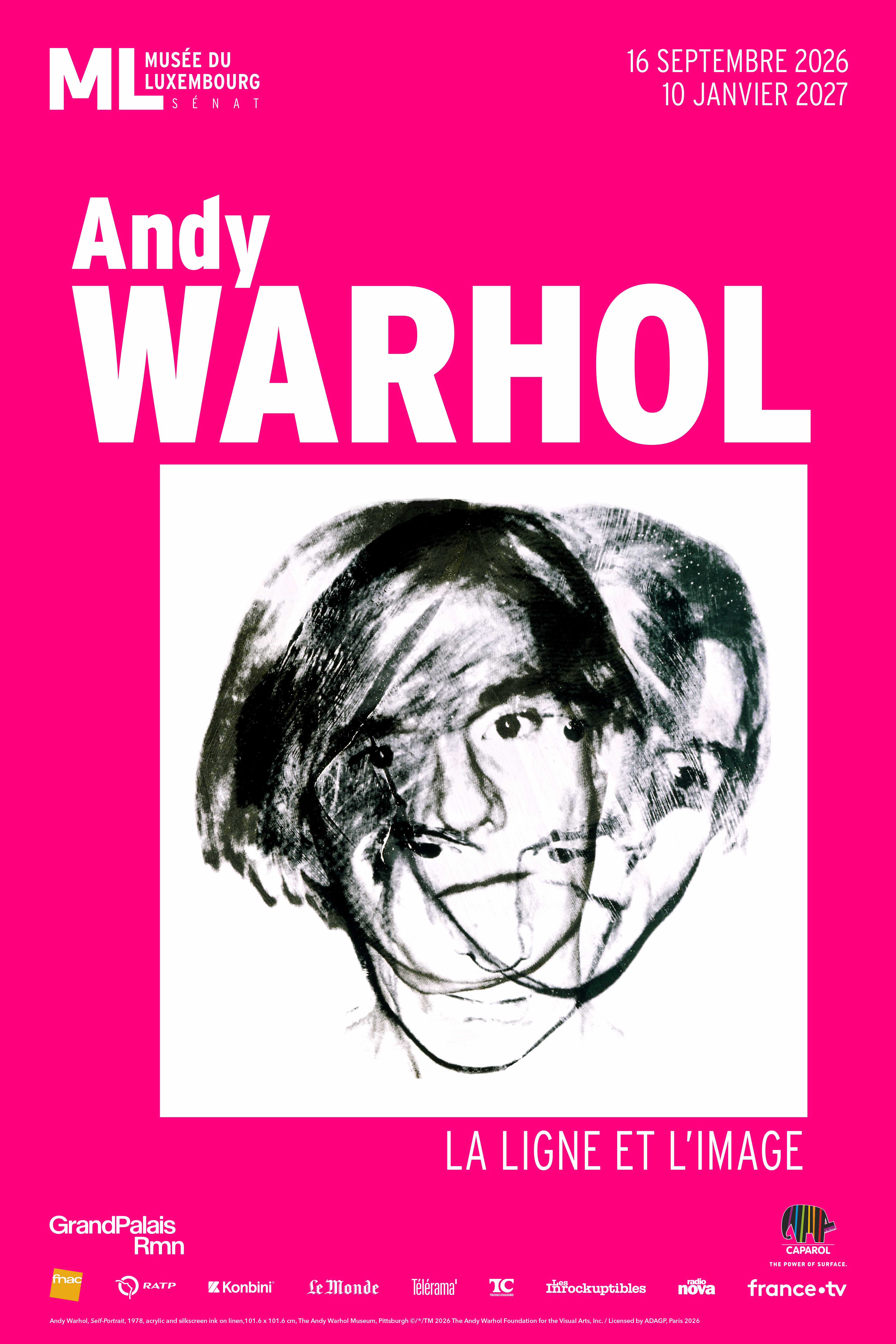
The exhibition “Andy Warhol: Line and Image” traces this journey through an essential dimension of his work: drawing. On view starting September 16 at the Musée du Luxembourg!
Check it out
5 Things to Discover in the Andy Warhol Exhibition
Get a sneak peek with the exhibition trailer!
The exhibition is open! When Drawing Reveals Andy Warhol

Profile: Andy Warhol, A Life in Pictures
How did Andrew Warhola become Andy Warhol?