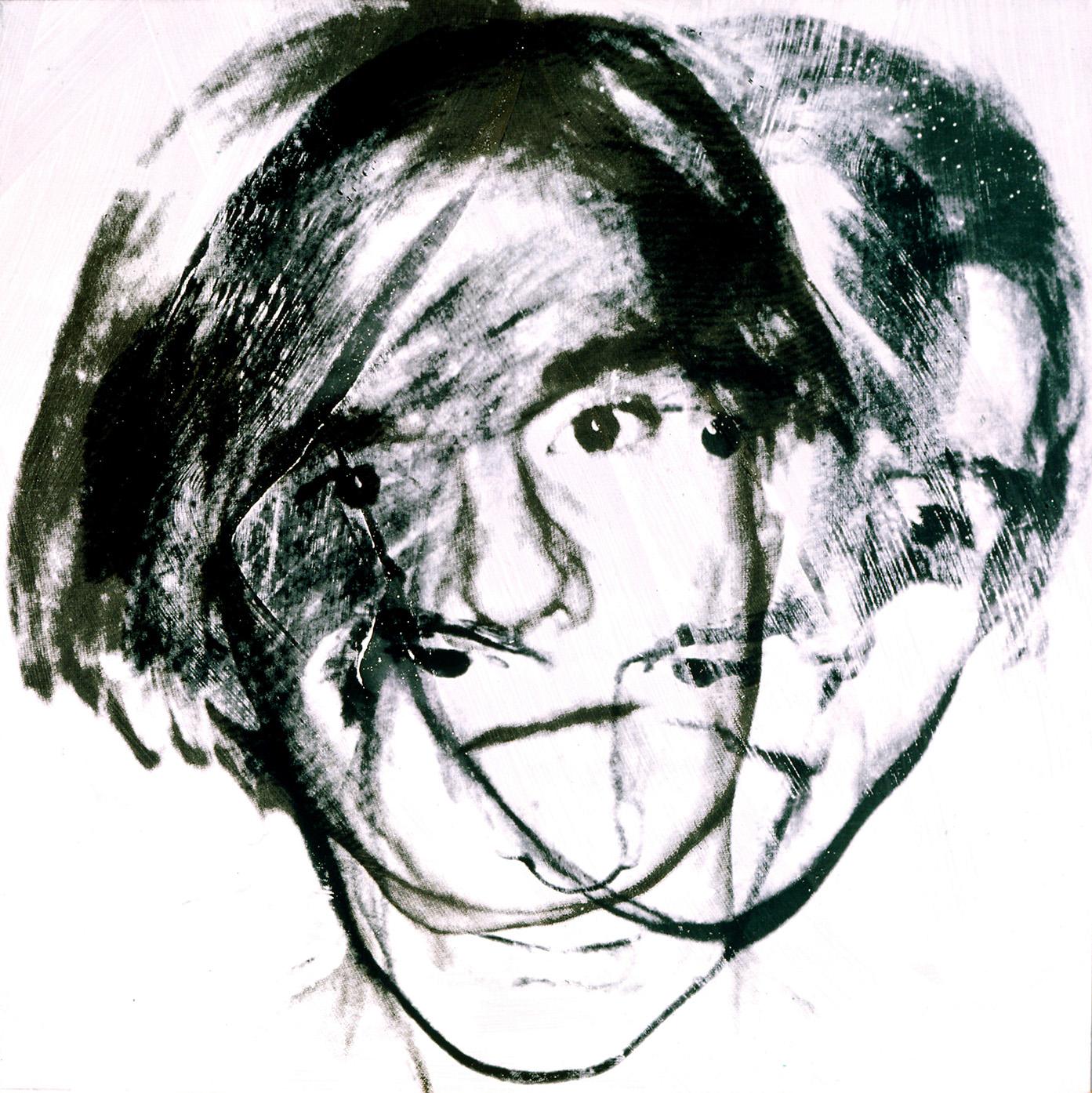



The exhibition is open! When Drawing Reveals Andy Warhol
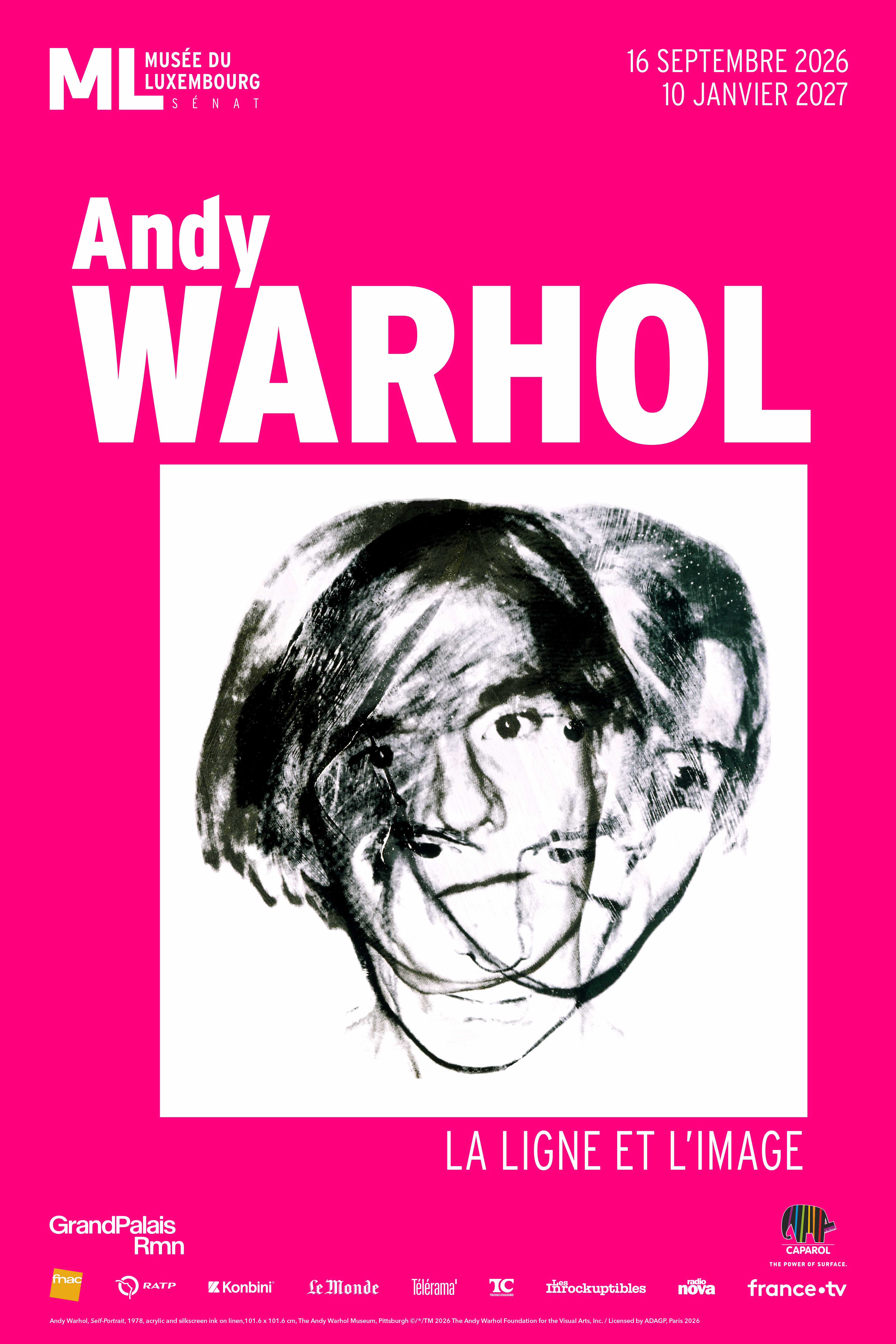
150 works, a journey through five themes, and several revelations: from September 16, 2026, to January 10, 2027, the Musée du Luxembourg presents the exhibition “Andy Warhol. Line and Image," a unique exploration of drawing as the foundation of his genius.
"I like to draw because it’s more intimate. Painting is for others. Drawing is for me."
Andy Warhol, In His Own Words (a compilation of interviews and writings), 1989
For Andy Warhol, drawing is a laboratory, a tool for observation, and a way to test images before reproducing them. As exhibition curator Alain Cueff points out, “for Warhol, drawing is an irreplaceable exercise in observation”, with each image needing to be “revised, summarized, and tested”.
Drawing: An Absolute Necessity
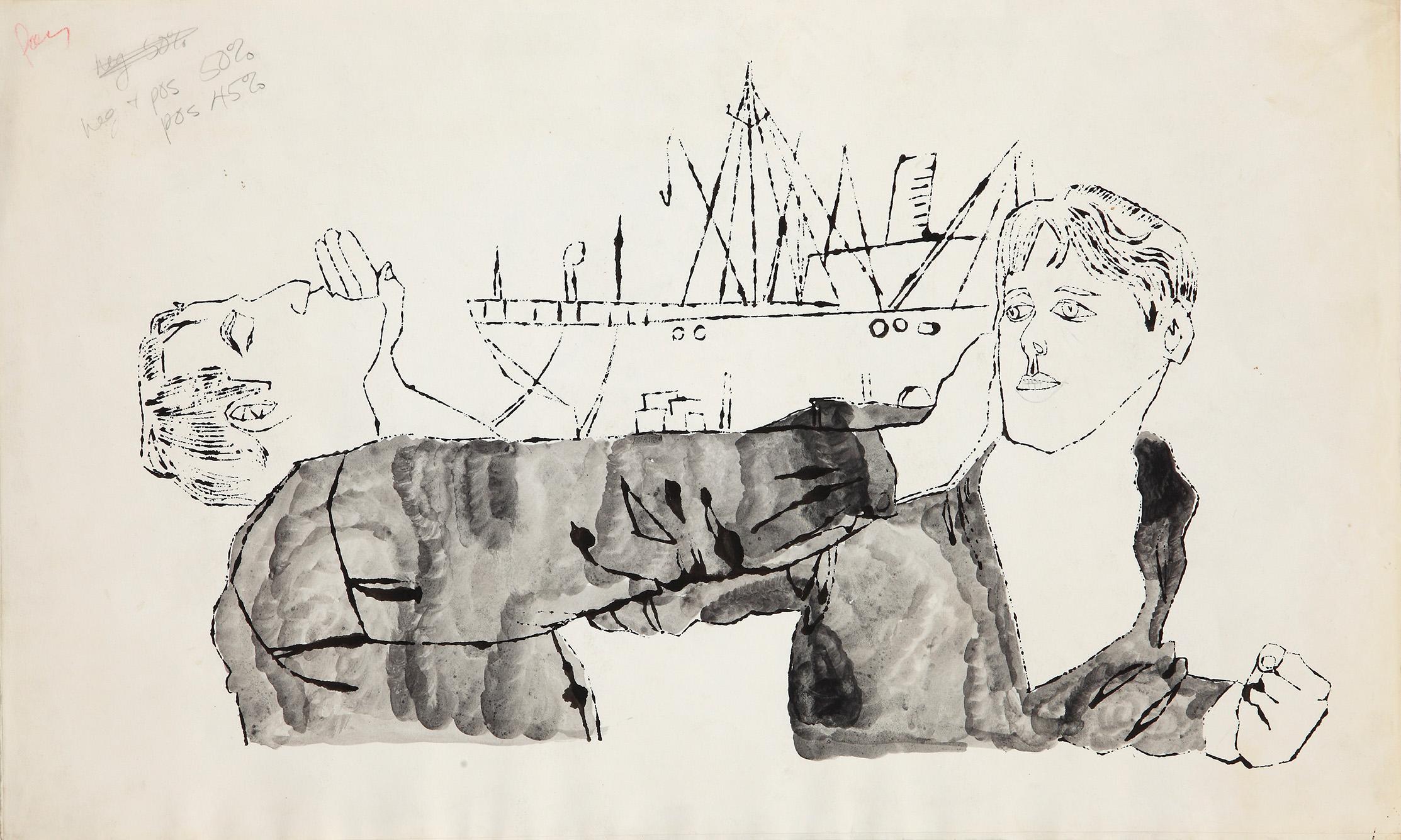
In the 1950s, handwriting - Warhol’s own and even that of his mother, Julia Warhola - was omnipresent in his drawings. Not merely as a commentary, but as an integral part of the image. His alphabets, published in limited editions to expand his clientele, illustrate this transition from writing to sign. The 1960s marked a process of simplification and formal economy, and drawing, as a discipline of form, remained both a necessity and a teaching tool.
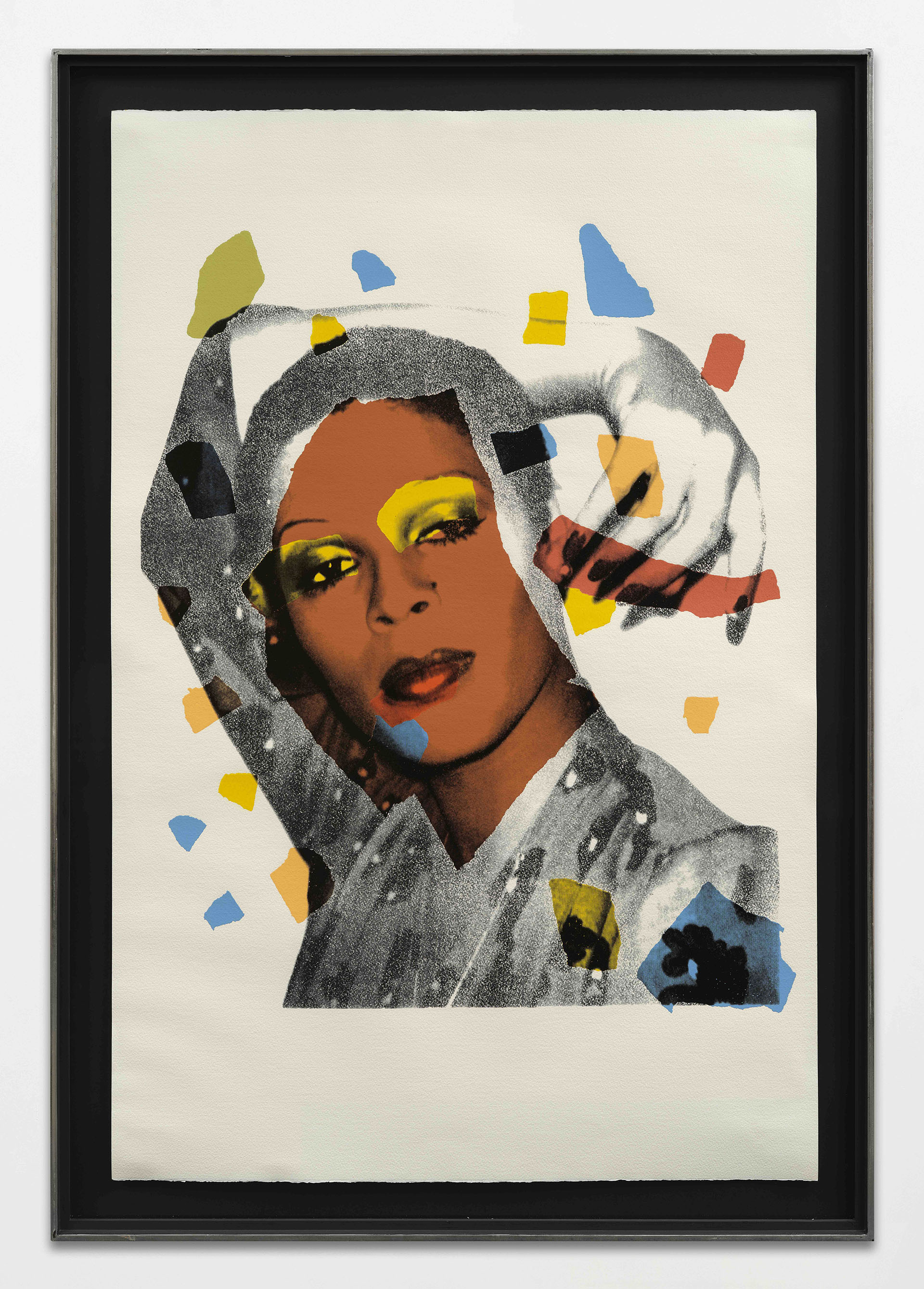
From his early days as an advertising illustrator in the 1950s, Warhol explored innovative techniques: the blotted line, a transfer method that creates a blurred, poetic effect, as well as stamping, stenciling, and collage, which are processes designed to repeat, distort, and reinvent the image. Subsequently, drawing never disappeared from Warhol’s practice, even after his shift to silkscreen printing. His drawings became works in their own right, sometimes larger than his canvases.
An exhibition to discover what goes on behind the scenes
The exhibition is organized around several thematic sections, each presenting a facet of his work and also revealing documents never before exhibited in Europe, straight from the archives of his studio The Factory: scrapbooks, videos, advertising prints, and preparatory drawings for his major works, such as Last Supper (1986).
Long considered a preparatory step, drawing emerges here as an essential practice in Warhol’s work. From the line to the reproduced image, the exhibition shows how he observed, transformed, and reinvented the forms of his era.
On view at the Musée du Luxembourg, starting today through January 10, 2027!
Check it out
5 Things to Discover in the Andy Warhol Exhibition
Get a sneak peek with the exhibition trailer!
The exhibition is open! When Drawing Reveals Andy Warhol

Profile: Andy Warhol, A Life in Pictures
How did Andrew Warhola become Andy Warhol?