



Paper, a field of experimentation
Long before Outrenoir, Pierre Soulages found on paper a space of freedom. Compared to painting on canvas, paper is much simpler and quicker to use. There's no need for frames or coatings: a sheet thick enough to hold wet materials is enough. And it's here, on these modest surfaces, that he will experiment with a singular and familiar material: walnut stain.
A childhood memory turned artistic material
Soulages has always been familiar with walnut stain. As a child in Rodez, he watched his father, a cart maker, stain wood with this brown substance extracted from walnut shells. This artisanal memory became, as early as 1946, a painting medium. His wife, Colette Soulages, tells us about it.
In the Courbevoie studio, where we arrive in March 1946, he started by drawing with charcoal and it interested him. Then he looked for other materials in the shop he had visited, and that’s when he thought of using walnut stain.
Homemade recipe
Made at home, the walnut stain was simply prepared: the hulls were softened, dried, ground into powder, and then diluted.
"They were pieces of resin that were heated in water. The result was a sort of pasty juice, much closer to painting than to drawing. It was often me who stirred the mixture to make it more fluid." - Colette Soulages
The warmth of brown and the light of paper
Between 1947 and 1949, Soulages produced some fifty paintings using walnut stain. This natural material enables him to achieve a subtle interplay of transparencies and opacities, light and dark: one of the guiding threads of his work.
"I loved this color rich in both transparency and opacity, with great intensity in the dark," he confided.
Using house painters' tools, he achieved an astonishing plastic richness. On his papers, broad marks rise, sometimes scraped away to reveal shades of brown. These energetic, almost calligraphic gestures mark the true beginning of his pictorial language.
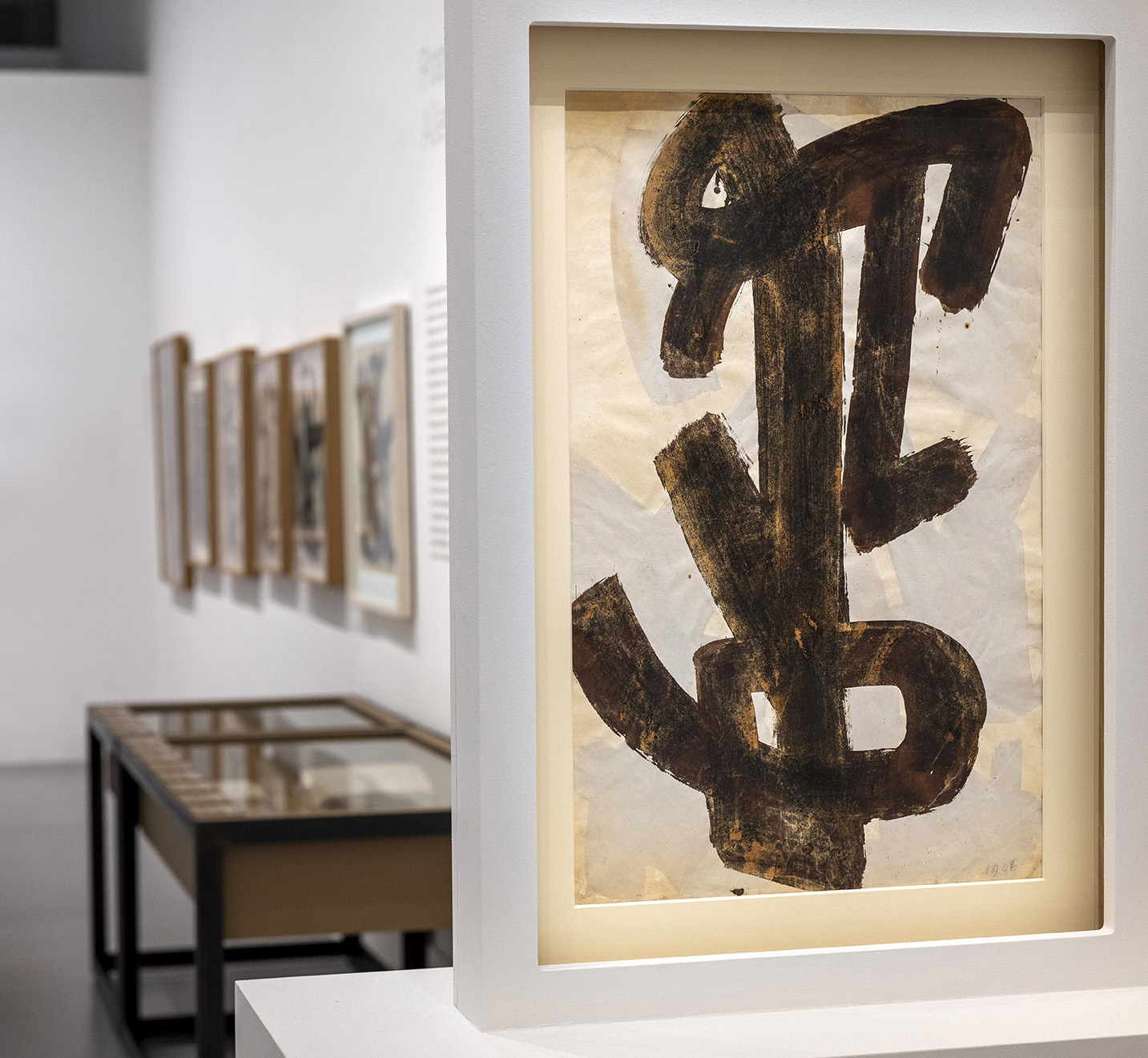
Walnut stain, the starting point of a work
Soulages himself saw these works as a decisive turning point.
It was with the walnut stain of 1947 that I was able to gather myself and obey a kind of inner imperative. Impatient, armed with walnut ink and house-painter brushes, I threw myself onto the paper.
From this impatience emerged a distinctive pictorial language, setting itself apart from other abstract approaches of the time.
Brown recognition
Even more than his canvases, which were beginning to be exhibited, it was these confidential walnut stains that became the true starting point of the painter’s work. He would be all the more grateful to German organizers for highlighting this radically different practice:in 1948, a walnut stain was chosen for the poster of the Französische abstrakte Malerei exhibition traveling in Germany. This episode marked the beginning of his international recognition.
From this simple, warm material, he had found a way to bring light out of darkness. A part of his work to discover now at the Museum!
To discover
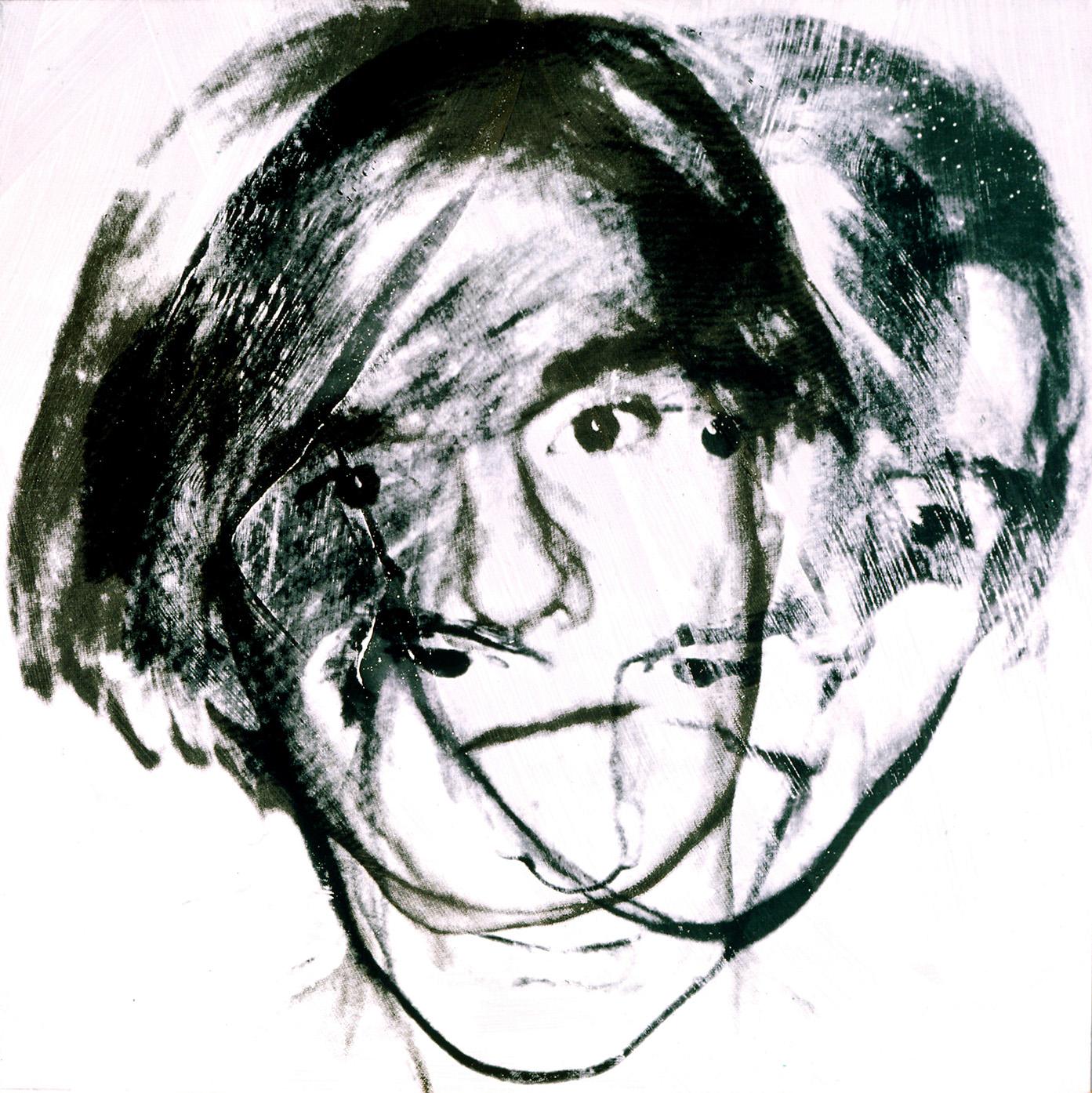
Tickets now on sale for the exhibition "Andy Warhol. La ligne et l'image"
Accessibility: Partially compliant

Andy Warhol